


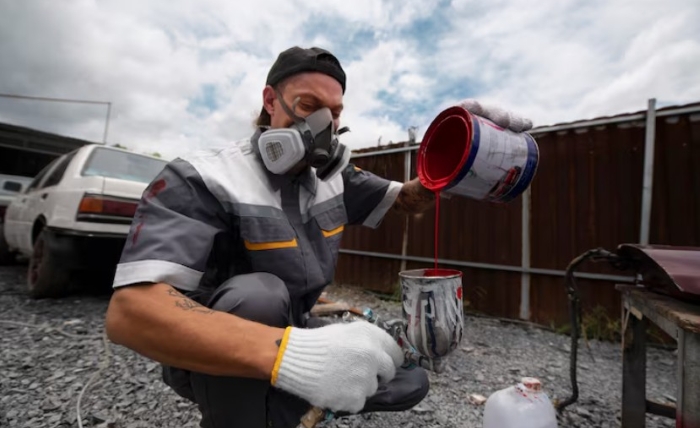
Proper handling of sealing materials guarantees safe outcomes while evading harm to surfaces or individuals nearby. The expanding foam grows after release, which means control is very important to prevent overflow or damage. Simple precautions help manage its behavior while keeping the surroundings clean. Using the right approach improves accuracy, limits waste, and supports better outcomes during repair or sealing work across diverse areas that need controlled filling approaches.
Proper Surface Preparation Before Application
Cleaning surfaces before use eliminates dust, improves adhesion, prevents uneven spread, and ensures expanding foam bonds correctly without gaps or weak spots, which aids keep proper sealing across areas that require stable filling during repair tasks.
Controlling Foam Expansion During Usage
Applying small amounts prevents overflow, helps manage growth while allowing foam to expand gradually, which ensures better control across gaps or spaces needing filling without causing excess spread that could damage surrounding surfaces during sealing work.
Avoiding Contact With Skin Surfaces
Direct contact should be prevented, as foam sticks quickly, which makes removal difficult while causing irritation across skin areas. Ensure safe handling practices are followed during use to avoid unnecessary cleanup or discomfort later.
Storing Materials In Safe Conditions
Keeping containers sealed and placed in cool areas prevents pressure buildup while maintaining product quality, ensuring expanding foam remains effective during future use across maintenance tasks that require reliable sealing performance over time.
Using Correct Application Tools Always
Proper tools help control flow, improve accuracy while reducing waste, ensuring foam reaches intended areas without spreading uncontrollably across nearby surfaces during application processes that require precise handling for effective sealing outcomes.
Monitoring Curing Time For Stability
Allowing proper curing time ensures foam hardens correctly, maintains shape while preventing early disturbance, which could weaken the structure across filled spaces requiring stable support during repair or sealing tasks within different work areas.
Preventing Overuse In Small Spaces
Applying excessive foam causes overflow, creates a mess, while reducing efficiency, ensuring controlled usage across small gaps where minimal application provides better results without damaging nearby surfaces during filling or sealing operations.
Cleaning Excess Foam Immediately After Use
Removing extra foam before hardening prevents buildup, simplifies cleanup while maintaining neat surfaces, ensuring areas remain clear across work zones that require proper finishing after application processes are completed carefully.
Keeping Materials Away From Heat
Avoiding high temperatures prevents container damage, reduces pressure risks while ensuring safe storage conditions across environments where heat exposure could affect foam performance during later use within sealing or repair tasks.
Reading Instructions Before Starting Work
Following product guidelines ensures correct usage, reduces errors while improving safety across application processes requiring proper handling knowledge before beginning tasks that involve controlled expansion during sealing activities.
Emergency Handling Steps For Accidents
Quick response helps reduce harm during unexpected spills.
- Wipe foam quickly using a cloth before it hardens, which helps reduce cleanup effort across affected surfaces during application tasks
- Use protective gloves immediately to prevent direct skin contact, which reduces irritation risks during handling of fresh material spills
Simple Safe Work Practices Guide
Basic habits improve control during sealing activities.
- Apply foam slowly in small amounts, which helps control expansion across gaps needing accurate filling during repair tasks
- Keep tools clean after each use, which prevents buildup across equipment used during sealing work within different areas
Careful planning ensures better results while reducing risks during sealing work across different tasks. Understanding material behavior helps improve control and supports cleaner application methods across work areas. The expanding foam becomes easier to handle when proper steps are followed consistently, which helps maintain safety, accuracy, and reliable outcomes across repair or filling needs without causing unnecessary damage or cleanup challenges.